



Reliable electricity is essential for businesses, industrial facilities, construction projects, and everyday operations. When the power supply becomes unstable or unavailable, a properly selected and maintained generator can help minimize interruptions and keep essential equipment running. However, choosing the right generator involves more than comparing power ratings. Understanding technical specifications, maintenance requirements, fuel efficiency, and safety considerations helps users make informed decisions. Access to dependable generator technical resources also makes it easier to evaluate equipment, understand operating requirements, and plan for long-term performance.
Understanding Generator Technical Resources
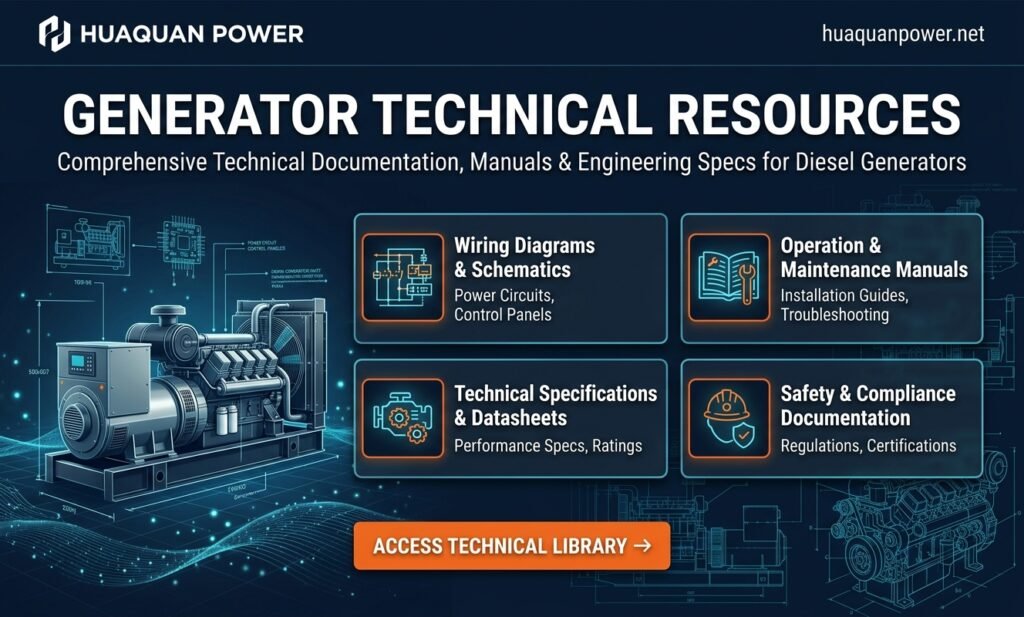
Generator technical resources include the information, documentation, and guidance needed to select, install, operate, and maintain power generation equipment. These resources may cover electrical specifications, engine performance, troubleshooting information, maintenance schedules, and installation considerations. Manufacturers’ manuals and technical guides are especially valuable because they explain equipment requirements and recommended service procedures. For businesses investing in backup power, consulting reliable documentation before purchasing equipment can reduce uncertainty, support better planning, and help ensure that the selected system meets the project’s actual electricity demands.
Choosing the Right Generator Using Technical Data
Selecting a generator begins with understanding the electrical load it must support. Homes, offices, factories, and construction sites have different energy requirements, so a single generator specification will not suit every application. Buyers should calculate the combined running wattage of connected equipment and consider the additional power required when motors or other devices start. They should also compare rated and standby power, voltage, frequency, and phase configuration. Reviewing these specifications before purchasing helps prevent overloads and supports dependable operation under expected working conditions.
Key Specifications to Review Before Buying
Technical datasheets provide essential information for comparing generator models. Rather than focusing exclusively on advertised power output, examine the complete specification sheet and consider how each feature affects practical use.
-
Rated power: The output available under the manufacturer’s stated operating conditions.
-
Voltage and frequency: Requirements that must match the connected equipment.
-
Fuel consumption: An important factor in operating costs and fuel planning.
-
Engine and alternator: Components that influence performance and compatibility.
-
Noise level: Particularly relevant to residential and commercial environments.
-
Protection features: Controls and safeguards designed to support safe operation.
Comparing these details makes it easier to identify a generator that matches both immediate requirements and future operating needs.
Exploring Generator Types and Their Applications
Different generator technologies serve different purposes. Diesel generators are widely used in industrial facilities, commercial buildings, and construction projects because many models are designed for demanding workloads. Gas generators may suit facilities with an appropriate gas supply, while portable generators provide flexibility for temporary power requirements. Containerized and soundproof generator sets can be suitable for projects requiring specialized installation arrangements or improved noise control. Huaquan Power offers several power generation solutions, including diesel and gas generator sets, portable generators, and containerized systems.
Using Manufacturer Manuals for Better Performance
A generator’s operating manual is one of the most useful technical resources available to its owner. It explains the equipment’s operating limits, recommended service intervals, starting and stopping procedures, and maintenance requirements. Reading the manual before operating unfamiliar equipment helps users understand normal operating conditions and recognize warning indicators. It is also important to consult the documentation for the exact model rather than relying on instructions intended for a similar generator. Manufacturer guidance should take priority whenever general advice differs from the equipment’s specified requirements.
Understanding Installation Requirements
Correct installation affects generator performance, serviceability, and safety. Before installation, consider the available space, foundation strength, ventilation, exhaust routing, weather protection, and access for maintenance. Electrical connections must be designed and completed by qualified professionals in accordance with applicable regulations. Standby generators also require appropriate transfer equipment to prevent dangerous electrical backfeeding into utility lines. For large industrial installations, engineers should assess the expected electrical load and site conditions before selecting the final configuration. Reviewing installation documentation early helps reduce avoidable modifications and delays.
Generator Maintenance Resources That Protect Equipment
Regular maintenance helps preserve generator reliability and identify developing problems before they cause unexpected interruptions. Maintenance requirements depend on the engine, operating environment, workload, and manufacturer’s recommendations. A structured maintenance plan should include inspections, fluid checks, filter servicing, battery assessment, and examination of electrical connections by qualified personnel. Heavy-duty generators may also require scheduled load testing and more detailed inspections. Keeping accurate service records makes it easier to identify recurring issues, monitor operating hours, and plan replacement parts before they become urgently necessary.
Building a Practical Maintenance Checklist
A maintenance checklist creates consistency by turning general recommendations into documented tasks. The following items can help organize routine inspections, provided they align with the manufacturer’s instructions.
-
Before operation: Check for visible leaks, damage, unusual obstructions, and warning indicators.
-
During scheduled servicing: Inspect oil, coolant, filters, and other service items as specified.
-
Electrical inspection: Have qualified personnel examine connections, controls, and protective devices.
-
Periodic testing: Verify performance under appropriate conditions and document the results.
-
Service documentation: Record operating hours, completed work, identified faults, and replacement parts.
Never perform maintenance on running equipment unless the manufacturer specifically permits the procedure and appropriate safeguards are in place. Isolate electrical and mechanical hazards before servicing.
Troubleshooting Common Generator Problems
Technical documentation can help operators understand possible causes of starting difficulties, unstable output, overheating warnings, or unexpected shutdowns. For example, a generator that fails to start may have a weak battery, a fuel supply issue, or an active protective shutdown. Fluctuating output may indicate a load problem or an electrical fault requiring professional assessment. These symptoms do not always have a single cause, so operators should avoid replacing components based on assumptions. Record warning codes and operating conditions, consult the relevant manual, and contact qualified technicians when the cause remains unclear.
Improving Fuel Efficiency and Operating Costs
Fuel efficiency influences the total cost of owning and operating a generator. Actual consumption depends on the generator model, engine design, electrical load, fuel quality, and environmental conditions. Oversizing a generator unnecessarily may increase purchase and operating costs, while undersizing it can cause overloads and unreliable performance. A load assessment helps establish a practical capacity range. Operators should also follow recommended servicing schedules, maintain suitable fuel quality, and track consumption against operating hours. Comparing expected energy demand with manufacturer data provides a more realistic basis for budgeting.
Using Digital Monitoring and Technical Support
Modern generator systems may include digital controllers, remote monitoring, alarms, and operating data that help maintenance teams assess equipment condition. Depending on the configuration, these features can provide information about operating hours, electrical output, temperatures, and fault conditions. Huaquan Power describes intelligent monitoring capabilities for selected generator systems, helping users explore options for equipment supervision and maintenance planning.
Digital monitoring can improve visibility, but it does not replace physical inspections, qualified maintenance, or compliance with the manufacturer’s safety procedures.
Where to Find Reliable Generator Technical Resources
Finding accurate technical information is easier when documentation comes from a relevant manufacturer or qualified service provider. Buyers and operators should prioritize model-specific manuals, verified datasheets, installation instructions, wiring diagrams, spare-parts information, and maintenance schedules. They should also check whether the documentation matches the installed equipment and its configuration.
For readers seeking information about generator specifications, power solutions, and equipment selection, generator technical resources is a useful starting point. Huaquan Power’s official website presents its generator product range and related power solutions, helping visitors explore available equipment and identify products that may match their project requirements.
Tips for Evaluating Technical Information
Not every online guide applies to every generator. Before relying on technical information, verify the publication source, model number, revision date, and operating conditions covered by the document. Compare recommendations with the manufacturer’s official manual, especially for electrical ratings, service intervals, and safety procedures. If a specification is unclear, request clarification from the supplier or a qualified technician. Keeping relevant documents organized in one location also helps purchasing teams, operators, and maintenance personnel work from consistent information instead of relying on outdated instructions.


